
Let curiosity do the organising
A museum can make an unfamiliar place feel wonderfully large, and a visitor feel slightly small. There are so many labels, centuries and names. A useful way in is to take one question with you.
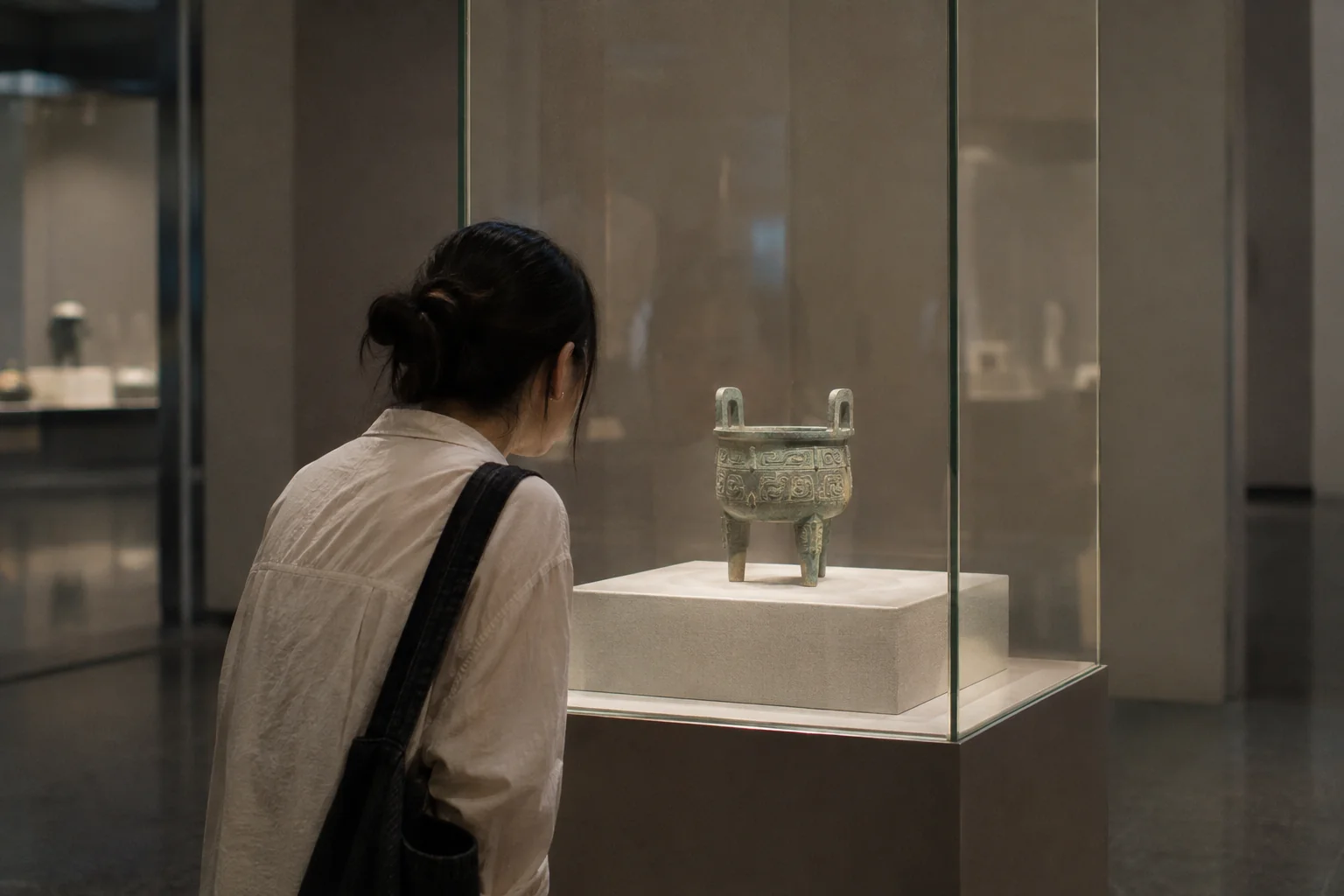
How was this used? Who could afford it? What did it feel like to make it? Choose a question that connects with your own life, then let a handful of objects answer it differently. Looking carefully at three things can leave a stronger memory than walking quickly past three hundred.
Make the practical choice first
Shanghai Museum has an East building and a building on People's Square. Check the official visitor page for the one you intend to visit, and check again before travelling for current opening and entry arrangements. Bring the identity document the venue requires.
At the East building, the museum distinguishes general visits from some interactive spaces and ticketed special exhibitions. Plan those deliberately rather than assuming one kind of admission covers everything. For any organised commentary inside the galleries, follow the museum's approval requirements and use its authorised services where appropriate. A City Host's company does not imply permission to conduct a museum tour.
Continue the visit after you leave
Choose one object each and describe it over a drink afterwards. Try without using its label. You might remember a colour, an unexpectedly delicate handle, or the sense that something practical was also made to be beautiful.
That conversation can connect art with design, materials, trade or everyday routines. Tell Beyond Arrival what interests you when planning a city experience, so the museum becomes part of a larger discussion rather than an isolated stop. A good visit may end with a better question than the one you brought in.
TAKE THIS WITH YOU
Which object would you ask its maker about, if you could have five minutes together?
Before you go
For current visitor arrangements, check the original guidance: